Search


 www.google.com





Savings & Investments - RRIFs Article
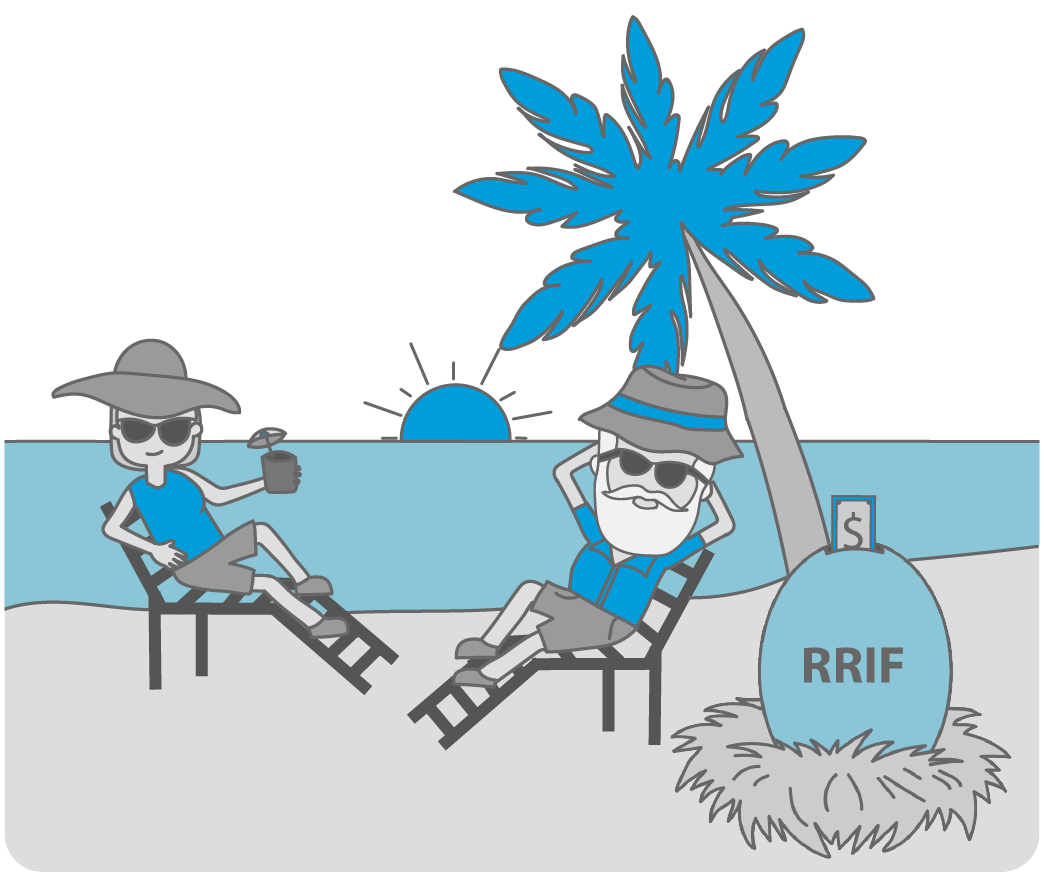 A RRIF is essentially the opposite of an RRSP. Where an RRSP allows you to make regular contributions to save for retirement, a RRIF allows you to receive regular withdrawals to fund your retirement. You will also have similar investment options for your RRIF as you had for your RRSP whether you choose to invest in GICs or term deposits, mutual funds, stocks or bonds.
Converting your RRSP to a RRIF allows you to continue to grow the funds in your plan while allowing you to receive money from your RRIF. When you contributed to your RRSP, you were able to reduce your taxes as well as defer the taxes on any growth within your RRSP. However, when you withdraw money from your RRIF, you will now have to pay taxes on that money. Ideally, you will be in a lower tax bracket when you are withdrawing your money than you would have been when you contributed the money. You do not pay taxes on your money when you convert it to a RRIF, you only pay taxes on the amount that is withdrawn each year and then it is treated as income for tax purposes. The rest of the money in your RRIF will continue to grow tax free until you take it out.
You are required to start taking RRIF income by the end of the year in which you turn 72. The amount you are required to take out of your RRIF each year is a percentage of the total value of your RRIF plan at the beginning of the year. The required withdrawal percentage starts low and increases each year as you age. You must withdraw the minimum amount required each year but you can choose the frequency of the withdrawals, whether you’d like to receive the money monthly, quarterly, annually, etc. You can also withdraw more than the minimum if you wish.
Savings & Investments - RRIFs Presentation Resources