Search


 www.google.com




Budgeting - Tips for Sticking to a Budget Article
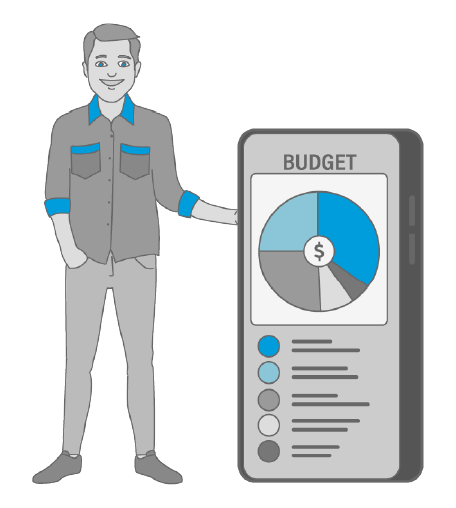 Creating a budget is easy but sticking to it can be much harder. There are a few things you can do to help set you up for success when it comes to sticking to your budget.
Tips for Building a Good Budget
It’s very important that a budget be realistic. If your budget isn’t realistic, you will never be able to stick to it. There are a few tips and tricks that will help you as you create your budget and interact with it.
To start off with, when you create your budget, budget so that your income minus your expenses add up to zero. This means you have designated every dollar you earn to something even if it’s to savings or paying down debt. This doesn’t mean that you spend every dollar but it does encourage you to build savings into your budget and to stick to that plan. 9It also means that you don’t have a buffer zone that will feel like extra money and encourage you to spend more than your budget in some areas.
Second, track your spending regularly. If you don’t know what you’re spending, you can’t tell if you’re on budget or not. Check your spending against your budget regularly (weekly is ideal) to help you stay on top of where your spending is at compared to your budget. If your spending is consistently out of whack with your budget, you may have some unrealistic areas in your budget and you may need to readjust your budget to reflect your actual needs.
Use pre-authorized debits and scheduled or recurring transfers to help you stick to your budget. If you have your monthly bills set up as automatic withdrawals from your account, you won’t be tempted to spend that money on something else which can help you avoid wasting money on interest or late payment charges. A commitment to saving should also be a part of any balanced budget. However, it can be hard to stick to, especially if you wait to see what’s left over at the end of the month and dedicate that to savings. If you set up a recurring transfer of your budgeted amount for savings to go from your chequing account into your savings account first thing on every pay day, you will find that it’s much easier to save and you won’t be tempted to overspend in other areas when the money is already out of sight, out of mind.
When you plan your budget for the month, check your calendar to see what events are coming up that might require extra money such as birthdays or events you’re hosting. Be sure to tweak your budget to accommodate those expenses.
Tips for Shopping
There are also a wide variety of things you can do when you’re shopping to help you make the most of every dollar and ensure that you stay within your budget.
One of the easiest ways for money to leak out of our wallets is with fees and subscription services. Once we’ve subscribed or opened an account, etc. the fees just happen automatically and we don’t give them much extra thought. That’s why it can be very helpful to take a critical look at some of your fees and subscription services. With so many subscriptions to music and video streaming services that all ask what seems like such a low monthly fee, it can be easy to overdo it. All those small fees add up and you may find that you don’t even have time in a month to use all of them. Think critically about what you actually use and cut out the ones that are just draining your funds without providing you with a reasonable amount of value for your money. And don’t just look at subscription services. What about some of your other bills like your cell phone bill? Are you paying for extras on your bill that you don’t even use? Maybe it’s time to look into a different plan that matches how you use your cell phone each month. Another good place to look at your fees is your banking. How much are you paying in monthly account and transaction fees? Is there another account that would suit your spending habits better and cost you less in the long run? If you’re not sure, ask someone at your financial institution and they will be happy to help you decide if you have the right account for you.
Sometimes when you’re shopping, it can be too easy to spend money using a credit card or debit card compared to cash. Along with the ease and convenience that comes with using electronic methods of payment, it can have the unfortunate down-side of giving the illusion that you’re not really spending money and so you can be tempted to spend more than you would if you were paying with cash. If this is something you struggle with, try paying for things with cash whenever possible.
Grocery shopping is one area that lends itself to the many perils of impulse buying. That’s why planning your meals ahead of time and sticking to a list when you grocery shop can be a huge money saver. It takes a little extra planning, but if you sit down and make out a meal plan for your week and then stick to a grocery list based on that meal plan when you shop, you can save a lot of money. It’s easy, when you shop to throw extra, impulse items into your cart that you don’t need but that look good in the moment… especially if you grocery shop when you’re hungry! It’s also easy to buy random grocery items that don’t work with anything else in your pantry and that will go bad in your fridge before you eat them. If you stick to your list and base it on a well thought-out meal plan you can save yourself a great deal of money in impulse purchases. And, if sticking to your grocery list when you’re in the store is difficult for you, consider doing your grocery shopping online. Not only will you save money by not being tempted to buy extra items on impulse, but you can also save the time you would have spent traipsing through the grocery store aisles and waiting in line at the cashier.
When you shop, it is also a good idea to compare brands. Often it costs a considerable amount more to get a brand name item over a generic brand item and often they are exactly the same. When you’re looking at an item with a brand name and a generic brand, take the time to compare the ingredients, etc or try out the generic brand. You may find that there are certain items and certain situations when the brand name provides extra quality and it is worth the extra cost. However, there will be other items where there really isn’t a noticeable difference between the brand name and the generic brand… other than the cost. Whenever possible, take advantage of the lower costs and buy the generic brands. You will get the same products but at a lower price, giving you more room in your budget.
Tips that will Help You Change Your Thinking
Aside from shopping smartly, there are some things you can do to help you change your thinking about spending that will help you save money over time.
To start with, don’t jump into big purchases. Take some time to sleep on it and think it over. Think about how it will affect your budget. Will it throw off your savings? Is it a need or a want? If it is a want, what benefit will it provide and is that worth the cost? Be sure that deciding to make this big purchase will not cause you unnecessary financial stress.
Next, keep credit card limits low. Credit cards are handy to have in an emergency but they are also convenient and tend to enable people to rack up a lot of unnecessary debt that gets them stuck in a cycle of paying high interest and needing to continue to spend on their credit card just to keep going. That’s why it’s a good idea to stick to a lower credit card limit. While your credit card company may occasionally offer you higher credit card limits, try not to accept them if you don’t absolutely need them. The higher your credit card limit, the more temptation there is to spend money on your credit card and the longer it will take you to pay off that debt. If you can keep a lower limit on your credit card and pay it off regularly, you will be able to build your credit and pay for your purchases with little to no interest.
And that leads us into the next tip. Don’t spend money you don’t have. The reality is that debt costs you money. If you can wait a little while and save up for something rather than buy it on credit and pay it off over time, you can potentially save a lot of money in the long run. If you build a comfortable amount of savings into your budget, you should be able to afford the big purchases you want or need without having to go into debt to buy them.
Another little trick that can help change how you approach your spending is to connect your spending to your pay. It's always a bit sobering to do the math and determine how much time you have to work to be able to afford such and such an item. For example, if you want a special item and it costs $150, do the math and figure out how many hours you need to work to be able to afford that item. Is 7 hours of work worth the value you will get for this item? This will help give you another perspective on the price of items as you make purchase decisions.
Tips for Using External Motivators
Most of the tips we’ve discussed have required you to rely on your own internal motivation to save money and stick to your budget. And, while those are important, depending on your personality, it can also be helpful to have some external motivators for you to stick to your budget.
Try an accountability partner to keep motivated and hold you accountable to following your budget. They can encourage you, give you advice and motivate you to keep persevering.
Some people find it helpful to do a zero spend challenge. In a zero spend challenge, you don’t spend any money on anything that isn’t a necessity for a set period of time, whether it’s a week, a month or even longer. Start your challenge by identifying what expenses are considered necessities and the time period of the challenge. If you’re a competitive person, you can kick it up a notch by challenging your friends and family and turning it into a competition. These challenges can be useful, not only in curbing your spending during the time frame of the challenge but they also can help to re-wire your mindset about your spending habits and what you consider necessary and what really isn’t a need.
Sometimes, we all need a bit of positive reinforcement. Promise yourself a small reward when you successfully stick to your budget to help motivate you to stay on track.
Conclusion
A budget is a very useful tool if it is set up and used correctly. Creating a budget and sticking to it can seem like a lot of work but, if it’s done well, it can provide a huge number of benefits that make it worth the effort. As you use your budget, you will develop good financial habits that will put you in good stead as you go through your life, providing not only the funds necessary to get the most out of your life, but it will also give you the peace of mind that comes with knowing you are prepared to handle both the good days and the emergencies that life throws your way.
Budgeting - Tips for Sticking to a Budget Presentation Resources