Search


 www.google.com




Budgeting Basics Article
What is a Budget?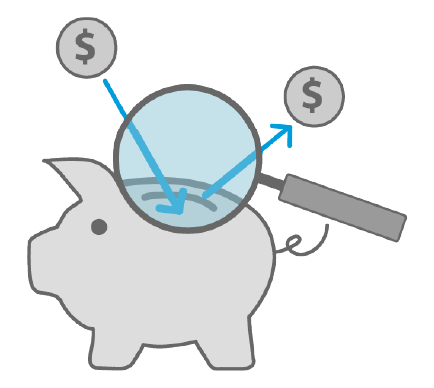
A budget is a money management tool that is used to help you plan your spending to ensure that you don’t spend more money than you have. A budget lists in detail your expected income and expenses for a given time period. Typically budgets track your spending and income for each month but you can choose to use any time period that works best for you.
What are the benefits of a Budget?
Whether you have a lot of money or just a little, budgeting can help you make the most of the money you have. There are a lot of reasons why it’s a good idea to have a budget and stick to it.
One benefit to a budget is that it gives you a clear picture of your finances. Without a budget, it’s easy to spend indiscriminately and then wonder where all your money went by the end of the month. When you take the time to sit down and make a budget, you get a good overview of how much money you have coming in each month and how much money you have going out each month and where it is being spent.
Not only does a budget give you a good picture of how you’re already spending your money, it can also help you to make good spending decisions as you move forward.
When you can see where you are already spending your money, you may notice areas where you are spending more money than you thought. For example, if you stop and buy a coffee every morning, it may seem like a small expense but those small, daily expenses can add up and you may find that the total amount that you spend on coffee each month is not as small and insignificant as you thought.
Once you notice areas that you’re spending more than you would like, you can plan ways to save money in those areas. So, using our example, maybe you decide to only stop and buy a coffee every second day and have coffee at home the other days and suddenly, you’ve reduced your coffee spending by nearly half.
Your budget may also help you to identify some areas or categories where you should be planning to spend more. For example, you may find that you can cover your heating bill in the spring, summer and fall but in the winter the bill goes much higher and you aren’t able to make the full payment which costs you extra money in interest and late charges. As your budget reveals areas where you could save some money, like your morning coffee run, it can also reveal areas where you need to plan to spend more money.
This aspect of budgeting also has an additional benefit in that it can help you avoid unnecessary debt. If you aren’t able to pay your bills every month and you begin racking up interest and late payment charges, you will end up paying more money than you have to, putting an even bigger strain on your limited financial resources. If you budget your money so that you have enough money to pay your bills on time each month, you will save money in the long run. This lack of planning can also lead to a habit of using credit to pay for large expenses. While credit is very handy to have in an emergency, a good budget can help you to avoid needing to use credit for expected expenses and maybe even have some money saved up for when emergencies arise. When you put large purchases on your credit card that you know are coming up, such as your annual insurance fees or your child’s school expenses, and pay it off over several months after you’ve made the payment, you will pay a lot of extra money in interest. However, if you start setting aside a small amount for those purchases ahead of time, you will be able to pay them off immediately and will not have to pay that extra money in interest. That will free up extra money in your budget for other things that you may want or need.
Budgets are also a great tool to help you plan your saving so you can reach any financial goals you may have. A budget can help you pay down some of your debt, save for a large purchase like a car or a house, or a big family vacation or build up an emergency fund so you have some extra money on hand when unexpected things come up. Whatever your goals are, your budget will help you to stay on track and to stay motivated to meet your goals and with some careful planning, you may even be able to reach them sooner than you thought.
In the end, a budget helps to give you peace of mind. It helps you to know how much money you have and how much you have available to spend at any given time. You can rest easy knowing you’re spending your money wisely and making the most of each dollar you earn. If you’ve budgeted your money well and if you stick to your budget, you shouldn’t need to stress or worry about big upcoming expenses or accumulating and paying off unnecessary debt.
Budgeting Basics Presentation Resources