Search


 www.google.com




Budgeting - How to Create a Budget Article
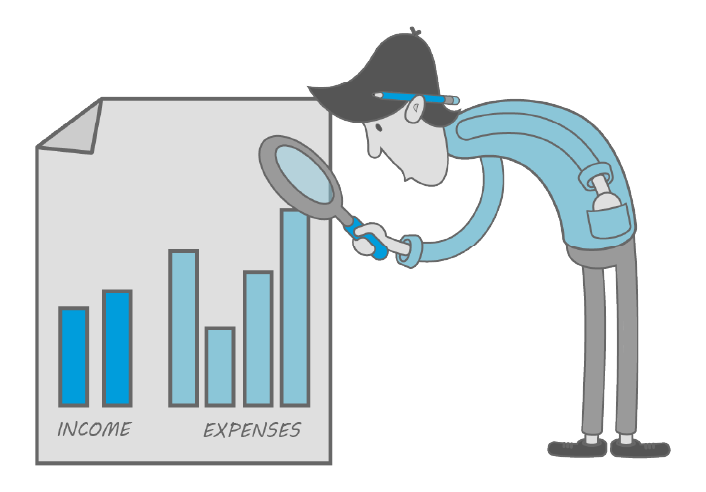 Once you’ve figured out your needs and your wants, you’re ready to start creating your budget. Creating a budget can seem like a daunting task but we’ll break it down into some simple steps and, while it may take you a couple hours to do your first budget, it won’t be difficult and then it will be much easier and quicker to review and adjust your budget in the future.
Figure Out Your After-Tax Monthly Income
To start your budget, it’s important to know exactly how much money you have coming in each month after your taxes and other income deductions (such as EI, insurance, CPP, etc) have been taken off. If you have a regular paycheque, think about how often you get paid. This is important because it will help you determine how much money you make each month. Do you get paid monthly? Or twice a month on set dates like the first and the 15th?
Or do you get paid bi-weekly (every two weeks) which means you will receive 2 paycheques most months but will receive 3 paycheques 2 months out of the year? If that’s the case, you will need to take that into consideration when doing your budget. You may want to divide your annual income by 26 pay periods to get an average monthly income amount to use for your budget or you may find it easier to do a bi-weekly budget depending on when you receive your bills, etc. If you can afford it, it may be a good idea to budget for 2 pay periods per month (or 24 pay periods per year) and then you can use the extra 2 pay periods to buy things you want or put into savings or towards paying off debt.
If you have irregular or seasonal income, then determining your monthly income may be a little more difficult and it may be easiest to average your income over the year to come up with an average monthly income amount for your budget. Or, if you’re able, you could play it safe and budget for your lowest monthly income so that your budget doesn’t exceed what you make in your lowest earning months. Then, in the months when you make more, you have extra money to spend on wants or to put into savings or paying off debts.
Figure Out Your Monthly Spending
Next, you’ll need to figure out your monthly spending and this is usually a bit more time consuming than figuring out your monthly income. If you typically spend money using your debit or credit card, use your last 3 months of bank and credit card statements as a record of your spending. Go through each statement and write down each item in a category that makes sense to you (eg. Entertainment, utilities, dining out, coffee, car, etc). Then total up each category and divide the total by the number of months you’ve added up to see an average of how much you spend on that category each month.
If you typically spend cash, ask for and save your receipts whenever you make purchases and then, on a regular basis (ideally at the end of each day or each week at the latest), go through and group your purchases by type using categories that make sense to you. If it is helpful to you, create categorized envelopes where you can organize and store your receipts for each category. Then, at the end of the month, add up all the receipts in each category to come up with an average of how much you spend each month.
You may be surprised to see where your money is being spent. This will give you a good idea of where you can adjust your spending to help you make ends meet or to put towards savings or paying off debts.
When you’re looking at making adjustments to your spending, there are a few things you should keep in mind. First, make sure you have budgeted a sufficient amount for your needs. Second, when you make adjustments to your wants, be sure to keep them reasonable and practical. For example, if you’ve been buying a coffee at your favourite coffee shop on the way to work every morning for the past several years, don’t plan to completely cut out your coffee run unless you know you will be able to stick to that. Perhaps, start by cutting it back a day or two a week and then you can adjust as needed down the road. It can be helpful to set a monthly cap or limit on how much you spend on your wants each month. That will allow you to enjoy those things in moderation while helping you to keep from spending more than you want to on those extras each month.
Third, always try to leave room in your budget for saving and paying off debt. Ideally, your budget will help you to become debt-free and save some money for retirement and emergencies.
Calculate the Difference Between Your Income and Expenses
The next step is to calculate the difference between your income and your expenses. Whether you use an online budgeting calculator or just do the math yourself, subtract your expenses from your income. This will let you know if you are over-spending or how much you have left over to put into savings, use to pay off debt or spend on a want. If your expenses are higher than your income, you will need to go back and take a critical look at your spending. This is where being able to identify your needs and your wants will be very important. Don’t be afraid to keep going back and adjusting some of your numbers so that you end up with a balanced budget that will pay for your needs and some of your wants and put a priority on saving and paying off any debt you may have.
Keep Track of Your Spending
Once you figure out how you have been spending your money and how you would like to spend your money, make a habit of tracking your spending each month. This will give you a good idea of whether you are sticking to your budget or not and whether there are any areas in your budget that you need to adjust.
Set Achievable Goals
Once you’ve done the initial set up for your budget, you may identify some financial goals you’d like to work on. Maybe you want to save money for a vacation or a special item you’ve been wanting for a long time, or maybe you want to pay off your debt by a certain date. Whatever goals you set, be sure they are achievable and then make a plan for how you are going to achieve the goal. If you make a goal and don’t plan for it, you aren’t likely to reach the goal. When you make your plan, there are a few things you should keep in mind. First, ask whether you have any needs in your budget that haven’t been getting enough of the budget? Second, are there any wants that have been draining your budget that should be adjusted? Third, think about whether there are any extra expenses that could crop up and affect your plan to reach your goal? Finally, determine how much money you are able to contribute to your goal each month.
Once you’ve decided on a goal and made a plan for how you are going to reach it, it might be helpful to open a new savings account specifically for your goal. By collecting your savings for your goal in a separate, dedicated account, you will be less tempted to use those funds for other purposes. And, most savings accounts do not have a monthly fee and will also allow you to earn some interest on your savings as they grow. Watching your account grow will also help to motivate you to persevere and keep saving until you reach your goal. Once you reach your goal, that success will likely inspire you to set a new goal and begin working toward something new.
Review Your Budget Regularly
A budget that is made and then forgotten is not effective. If your budget is going to be helpful, it’s important to make your budget and then stick to it. It’s also very important that you re-evaluate your budget regularly. As you move through life your income will change and so will your expenses and you will need to take a look at your budget and adjust it to accommodate those changes. Try to re-evaluate your budget on a frequent and regular basis and especially whenever you run into significant life changes such as a raise or promotion, getting married, having children, etc. However, keep in mind that simple factors you may not be consciously aware of like inflation can also throw off your budget if you don’t re-evaluate it often.
Budgeting Tools
While, we’ve laid out the basic steps involved in creating a budget here, and you can easily do a budget with a pen and paper or an excel spreadsheet, there are also a lot of online tools you can use to help you create your budget and stick to it. The Government of Canada website has a free Budget Planner tool on their website (https://itools-ioutils.fcac-acfc.gc.ca/BP-PB/budget-planner) that you can use to create a budget. You may want to ask your financial institution if they offer any budgeting or spending tracking apps or resources. If you look in your app store, there is also a wide selection of budgeting apps that can help you create a budget, track your expenses and set goals. Whatever tools you choose to use, be sure to set a realistic budget and stick to it.
Budgeting - How to Create a Budget Presentation Resources