Search


 www.google.com





Borrowing - Credit Score Article
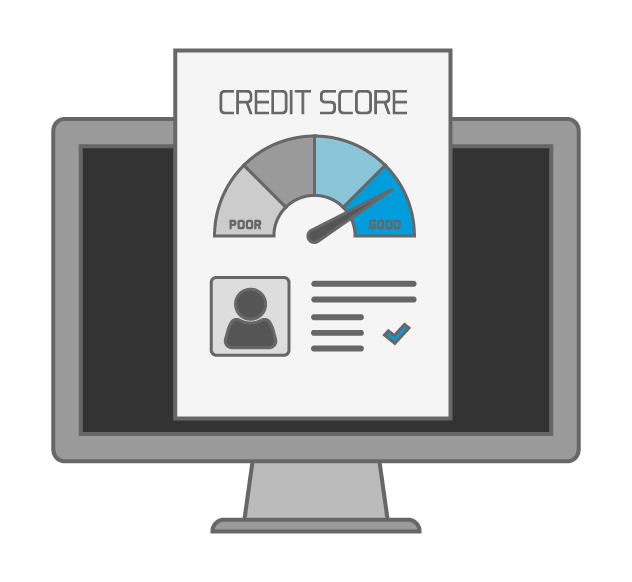 What is a Credit Score?
Your credit score is a three digit number that is created using the information from your credit report. In general terms, you get more points on your score if you use credit responsibly and lose points if you don’t manage your credit well.
How is Your Credit Score Determined?
More specifically, your credit score is calculated up to a maximum score of 900. Generally, a score of 760 and up is considered to be an excellent score and a good score usually lands between 660 and 724, but there is some variation between credit scoring models.
Several factors go into determining your credit score. The first factor is your payment history. Your payment history will affect your score and generally makes up somewhere around 35% of your total score. To ensure you have a good credit score, be sure to pay your debts on time and absolutely avoid having your accounts sent to a collection agency, as that will seriously affect your credit score and your ability to borrow money in the future.
The second factor is your used credit in relation to your available credit. Ideally, you should use your credit and pay it down to zero each month. However, that’s not always possible. It is recommended that you not let your credit usage go over 30% of your available credit on a regular basis and never exceed your credit limit. This category accounts for roughly 30% of your credit score.
The third factor is your credit history. It looks at how many credit accounts you have and how long they’ve been in existence. This accounts for around 15% of your credit score. It can be tempting to try to avoid credit but the reality is that, without a credit history to look at, many lenders will be hesitant to lend to you. Ideally, it’s good to have at least 2 kinds of credit that you’ve had for at least 2 years. You don’t need to be afraid of credit, just be sure you understand it and you manage it wisely.
The fourth factor is your public records. This includes any prior history of bankruptcy, consumer proposals, or collections that will make you a risky borrower. This accounts for about 10% of your credit score.
The fifth and final factor is the number of inquiries on your credit report. This accounts for roughly 10% of your credit score. There are two kinds of credit inquiries. A soft credit inquiry is done when you are not applying for credit and a hard credit inquiry is done when you are applying for credit. Hard credit inquiries are recorded on your credit report because you are seeking new credit.
Making a lot of inquiries about credit may have a negative impact on your credit score. This can make you look like a credit seeker, someone who is considered to be a higher risk because they may be in more serious need of credit. Too many hard inquiries, especially in a short time frame (such as 3 months) may negatively affect your credit score.
Your credit score is only affected by hard inquiries or those related to credit seeking and generally looks at inquiries over a 3 year time frame. Soft inquiries such as a landlord checking your payment history won’t negatively affect your credit score.
Why is a Good Credit Score Important?
A good credit score allows you access to credit cards, to loans and it also provides access to better interest rates which can save you money over time.
Borrowing - Credit Score Presentation Resources