Search


 www.google.com





Borrowing - Credit Report Article
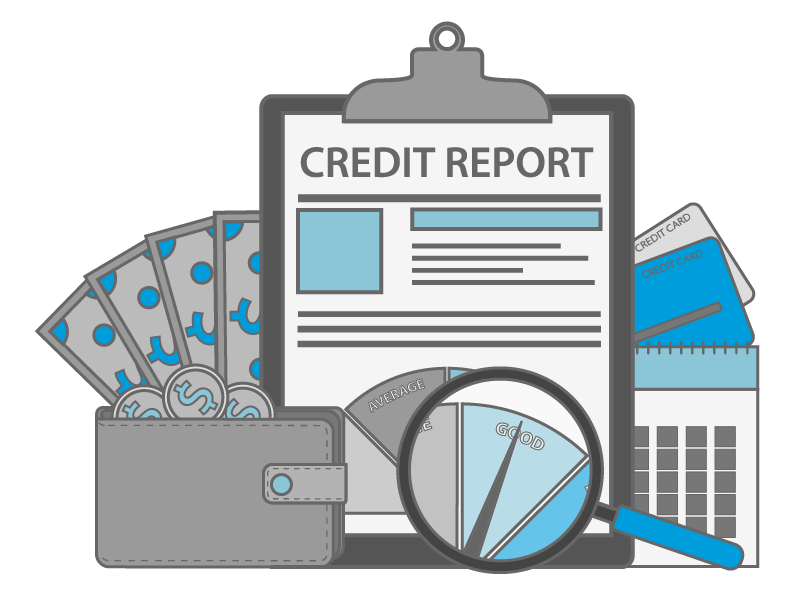 When you borrow money or apply for credit for the first time, your credit report will be created. Financial institutions, retailers and lenders will send information about your credit accounts to the credit bureaus or credit reporting agencies. As this happens, your credit history will be summarized in a credit report that lenders and creditors will use to evaluate your credit history and determine if you are a credit risk.
What is in Your Credit Report?
Your credit report will contain identifying information about you such as your name, your date of birth, your current and previous addresses and telephone numbers, your Social Insurance Number, information on your current and previous employers and job titles. This information is important because it will help to identify you specifically, differentiating you from other borrowers who may appear similar and prevent identity theft.
Your credit report will also contain a list of all the inquiries you or others have made. These are called credit checks. Credit checks can be performed for a variety of reasons by a number of different people. When you look at purchasing a car, a dealer may do a credit check to see if you qualify for a loan to buy the car, whether you purchase the car or not. Cell phone providers will always check your credit report to ensure you pay your bills and landlords will check it to see if you will reliably pay your rent. If you are applying for a credit card the credit card company will do a credit check. When you open a new bank account, your financial institution will check your credit report to ensure you are not a fraud risk. When you apply for a job, they may do a credit check, especially if you are applying for a job that requires a high level of trust.
Your credit report will also contain financial information about you and how you handle money. It may contain things such as any insufficient funds (NSF) payments you’ve made or any bad cheques you’ve written, any chequing and savings accounts closed due to money owing or fraud committed. It will contain any credit you use including loans, lines of credit, as well as any credit cards and retail or store cards you have. It will show any bankruptcy or court decisions against you that relate to your credit and any debts sent to collection agencies. Inquiries from lenders and others who have requested your credit report in the past three years will show on your credit report. It will also show any consumer statements, fraud alerts and identity verification alerts.
It will list details about your credit cards and loans such as when you opened your account, how much you owe, and if you make payments on time or miss payments. It will show if your debt has been transferred to a collection agency, if you go over your credit limit and any public information that is available in public records such as bankruptcy.
Your credit report will also show some other accounts, some of which aren’t specifically credit accounts, such as your mobile phone and internet provider. It may also show your mortgage information and payment history as well as any home equity lines of credit (HELOCs) you have.
Check your Credit Report Annually
It is recommended that you request your credit report at least once a year. It’s free to get your credit report once a year but you will have to pay a fee if you want to see your credit score. When you get your credit report, check it very carefully for any errors in your personal information such as a wrong address or date of birth, errors in credit card and loan accounts, any accounts listed that you never opened, and negative information about your accounts that is still in your credit report after the maximum amount of time it is allowed to stay on it. Some of these errors can be a sign of fraud or that someone is trying to steal your identity. Some errors can negatively and unfairly affect your credit score resulting in your being denied a loan or having to pay a higher interest rate on a new loan. Mistakes happen so don’t freak out if you find one, but if you do find an error, report it to Canada’s two main credit bureaus (Equifax and TransUnion) and contact your financial institution immediately. For more information about checking for errors on your credit report and reporting them, visit the Government of Canada’s website. https://www.canada.ca/en/financial-consumer-agency/services/credit-reports-score/check-errors.html.
It's also a good idea to view your credit report once a year because it will give you a good picture of your credit. Any lenders or others who check your credit are not able to give you information about your credit report. You must request the information from the credit reporting agencies yourself and it will give you a full picture of your credit history and any products associated with your name and identity.
Borrowing - Credit Report Presentation Resources