Search


 www.google.com





Borrowing - Credit Cards: Loose Ends Article
 There are a few things you might want to know that we haven’t covered in the previous courses.
Legal Stuff
Credit cards can be a bit scary. What if you lose it and someone racks up tons of debt on your card? Will you be responsible for all that debt? Will you be charged interest if you make your credit card payment at the last minute on the payment due date? What if someone skims your card and racks up a lot of charges on your card?
Knowing some of your rights as a credit card user can help to allay some of those concerns. If you lose your card and promptly report it as lost within the required time frame laid out in your terms and conditions (see, they are important!), you will not be held responsible for any fraudulent charges.
Credit card companies are expected to credit your account on the day you make your payment. So, as long as you make your payment using one of the acceptable payment methods on your credit card bill, your payment will be applied to your account on the day it is made.
If you have a credit balance on your credit card such as when you return a purchase or make an overpayment to your credit card that exceeds the amount of your bill, you do have the option to keep the credit balance on your account or to request a refund for the credit amount from the credit card company.
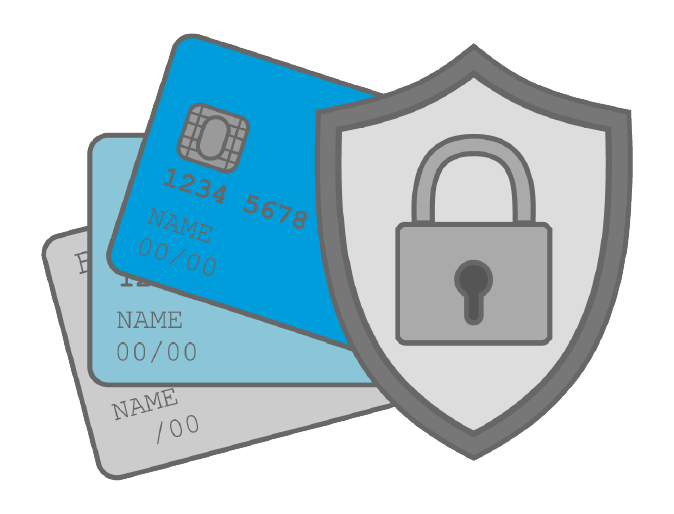
Credit cards do have protections against unauthorized transactions. Most credit cards have a zero liability policy meaning that you will not be held responsible for any unauthorized transactions on your card. If your credit card is lost or stolen, be sure to report it to your credit card company as soon as you find out. And do the same if you notice any unauthorized transactions on you credit card statement when you check it. As long as you have used your credit card with proper attention to safety and security and report it immediately, you will not be required to pay for those unauthorized transactions.
What if you don’t qualify for a credit card?
If you apply for a credit card and are turned down, ask the creditor why you were turned down. If it was because of your credit score and your credit report, check your credit report to see what it says. Make sure all the information on it is correct. If you find errors on your credit report, take the necessary steps required to have the errors corrected. For more information about how to do this, visit the Government of Canada website. https://www.canada.ca/en/financial-consumer-agency/services/credit-reports-score/check-errors.html#toc2
If the credit report is accurate, you should be able to see areas that are lowering your credit score. Take the steps needed to improve those areas. Be sure to pay your bills in full and on time, keep your credit utilization low, etc. Don’t apply for any more credit until you’ve fixed the problems on your credit report. If you do apply for more credit, it will make you look like a credit seeker and ultimately, harm your credit report and credit score.
If you need help improving your credit score so you will qualify for a credit card, talk to someone at your financial institution or to a reputable credit counsellor.
Borrowing - Credit Cards: Loose Ends Presentation Resources