Search


 www.google.com





Borrowing - Card Security Tips Article
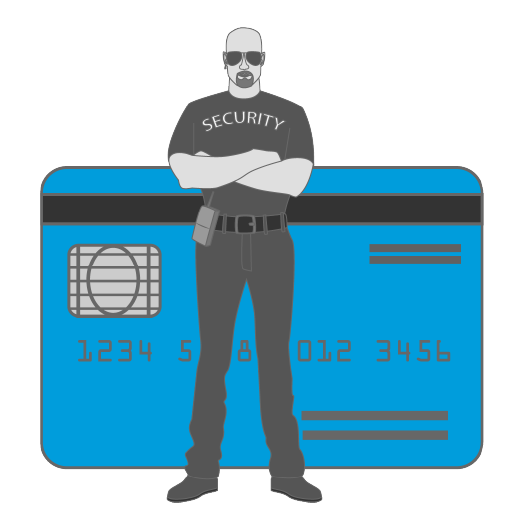 While your credit card or debit card, will come with a lot of security features built into it, there are still some things you can do to protect yourself from card fraud.
Protect Your PIN
First, protect your PIN. Your PIN is a very important way for you to secure and protect your card. When you choose a PIN, pick a number that is not easy to guess. Don’t use your birthdate, Social Insurance Number, address or phone number. If your card is lost or stolen, those numbers will be very easy for a fraudster to guess. Also try not to use the same PIN for everything. If you do, a fraudster will only need to crack your PIN once and will suddenly have access to everything you have set up with that same PIN.
Never share your PIN with someone else. Even if you trust them, it’s best not to share your PIN with anyone including family members, friends or your spouse. This is also very important because, if you do share your PIN or lend your card to someone else, financial institutions and credit card companies may hold you responsible for any unauthorized transactions on your account.
Don’t write down your PIN. Try to pick one you can remember. However, if you do write it down, be sure to keep it somewhere secure and absolutely do not store it on a sticky note stuck to your card!
Change your PINs frequently. While this can make remembering them a bit harder, it is a good habit to get into. If your PIN is compromised, once you change your PIN, any fraudsters who have your old PIN will no longer be able to access your credit or account. Sometimes a PIN can be compromised well before any unauthorized transactions are performed. For example, if your card was skimmed when you used it in a compromised device and a fraudster managed to steal your card number and PIN, it often takes them a while to collect and use that information. If you change your PIN regularly, there is a good chance you will change it before they can use it, and you will have effectively stopped them from accessing your account or credit.
When you use your card to make a payment or withdraw money at an ATM, try to use the tap function whenever possible. If you do enter your PIN, be sure to use your hand or body to hide the keypad when you type your PIN into the keypad. Check your surroundings to be sure no one is watching and that there are no hidden cameras in the ceiling or nearby that would record your PIN being entered.
Protect Your Card
Next, protect your card. When you first receive your new card, be sure to sign the back of it immediately. Destroy any old cards by cutting them up. Never leave your cards unattended in your car, at the beach, at work, etc. Keep your credit card and bank statements in a safe place. If you get mailed paper statements, try to pick up your mail as soon after it is delivered as possible. Or you may consider using a locked mailbox to ensure that they don’t fall into the wrong hands. When you order a new card, know in what time frame you should expect to receive the new card and contact the issuer immediately if it does not arrive in that time frame.
Keep your card in a safe place that isn’t easily accessible to others when you’re out in public and at home. When you go out, don’t carry a large number of cards with you so that, if your wallet is lost or stolen, you won’t be vulnerable to fraudulent transactions on all your cards. When you make a payment somewhere, be sure you can see your card at all times. If someone takes your card away to process the transaction, be sure you can always see the card to ensure it isn’t being skimmed or compromised in any way. When it is returned to you, make sure it is your card. If you see an ATM or payment terminal that looks suspicious in any way, report that device to the business’ head office and if you’ve already used the device, notify your card issuer as well.
Protect Your Card Online and Over the Phone
Third, protect your card when you use it online and over the phone. When you’re shopping or making payments online, be sure you are using a secure website. You can tell that the website is secure because the web address will start with https or have a little lock symbol in the address bar. If the web address is only http or doesn’t have the lock symbol, it isn’t a secure site and it’s best not to enter your card information.
Don’t put your card information into an email as they usually aren’t secure unless the email is encrypted.
At home, be sure to keep your computer firewall and antivirus software turned on and up-to-date. When you’re in public, try not to use public or shared computers such as those at internet cafés and libraries to do any online shopping or banking. If you must use a public or shared computer, be sure to clear the history and cache of the computer before you leave it.
Be careful about giving your card information to anyone over the phone. Scammers often try to trick people into giving them card information over the phone or through email. Financial institutions and credit card companies would never call and ask you for personal information like your credit card number, PIN, security number or expiry date over the phone. When you contact your card company, use the number on the back of the card. If someone else provides you with a number to call, whether over the phone or in an email, be sure to look up the phone number for your card company on your card or from a secure, independent source such as a phone book or the website you usually use for your credit card company or financial institution. Be aware of your surroundings whenever you give card information or any personal information over the phone. Be sure you are talking to a legitimate company that you trust before giving out your card information over the phone. If someone requests your card information over the phone, be sure they have a need to know that information and request further information if you’re unsure. If you’re not comfortable, hang up and contact the business that was calling you using a phone number you know and trust. If they are a legitimate caller, they won’t mind.
Be Vigilant
A huge factor in protecting yourself from card fraud is to be vigilant. We’ve already stressed the need to be aware of your surroundings when using your PIN and when giving out card information over the phone. You can also be vigilant by reviewing your credit card statement monthly to ensure that there are no fraudulent transactions listed. Report any transactions you didn’t make or approve to your card issuer immediately. The sooner you report it, the better. You can also be vigilant by requesting your credit report at least once a year and report any errors immediately.
Protect Yourself with Lost and Stolen Cards
Finally, protect yourself in case of lost and stolen cards. When you get your cards, make a list of your cards with the phone numbers to call in case of theft and loss and keep the list in a secure place. Then you’ll know exactly who to contact in the event that your card is lost or stolen. Don’t ever lend out your card to anyone. Report any lost or stolen cards to the card issuer immediately.
As you can see, there are many simple things you can do to protect yourself and your finances when using credit or debit cards. If you have any other questions about how to protect yourself when using your cards, reach out to your financial institution or credit card company and they should be able to answer your questions.
Borrowing - Card Security Tips Presentation Resources