Search


 www.google.com





Advantages & Disadvantages of Borrowing Money Article
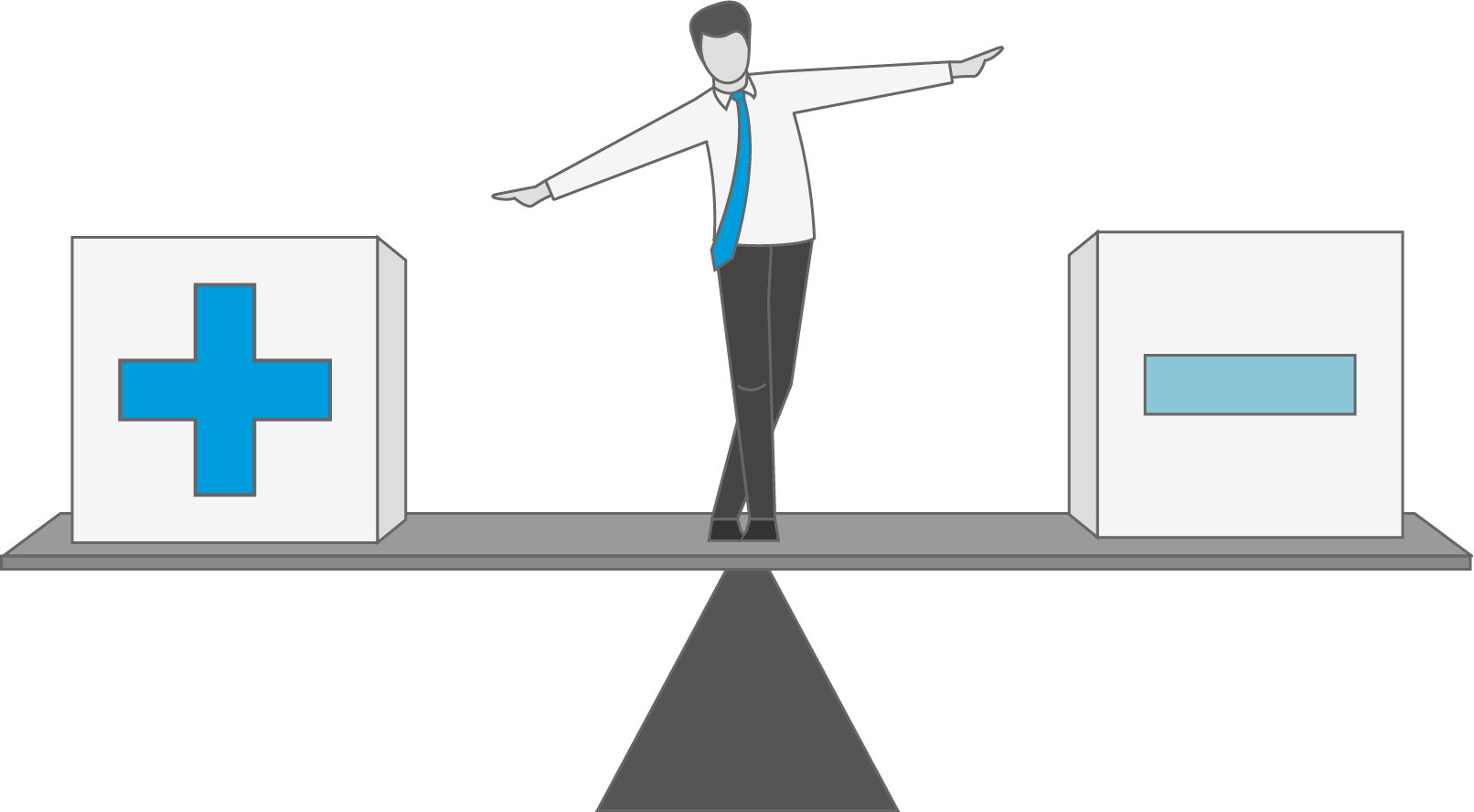 Most of us need to borrow money at some point during our lives and, as with most things in life, there are some advantages and disadvantages to borrowing money. The key is to ensure that you benefit from the advantages and keep the disadvantages to a minimum.
Reasons to Borrow that May Provide an Advantage
There are times when borrowing money will provide you with an advantage that either creates value or produces wealth over time.
You may find that it is in your best interest to borrow money so you can make an investment of some kind. You may want to invest in a home or a rental property. These can be seen as an investment as it will provide you with a place to live, or a property you can rent out and use to earn income. Or you may borrow money to improve or renovate your home, which could potentially increase its value.
You may borrow money to make an investment in your future by paying for an education. A student loan may help you increase your future income based on the knowledge and skill you gain through your education.
You may consider borrowing money to invest in tools, equipment or even a vehicle that you will need for your job which will provide you with an income.
You may find it is in your best interest to borrow money to invest in an RRSP which will provide you with income in your retirement that will be taxed at a lower rate than what you pay while you are working.
Or you may borrow money to invest in some sort of stocks or business opportunity, expecting to receive higher returns on your money.
You may also borrow money to reduce your interest payments or even just to simplify your debt payments. If you can pay less money in interest on the debt you already have, you will save money in the long run.
And borrowing money may be part of a strategy to help you build your credit history. Aside from the benefit of building a credit history, if you borrow responsibly, you are likely to develop a strategy and good habits for handling debt. You will also build good credit that will enable you to borrow more money when you need it down the road.
If you are able to borrow money at a low rate with a manageable payment plan, you may be able to free up funds needed in other areas of your life. For example, if you are buying a house and pay for it out of pocket without borrowing money, you may spend all of your savings and have no contingency fund for any repairs or other emergency costs that may come up. So, if you borrow some money at a reasonable rate with a plan to pay it off, you will be able to reserve some funds for some of the unexpected costs that come with owning a home.
Reasons to Borrow that May Provide a Disadvantage
There are also times when borrowing money can put you at a disadvantage and may be harmful to your long-term financial health.
It can be tempting to borrow money to indulge wants and this can lead to uncontrolled spending. For example, if you borrow money on your credit card to buy items that you want but don’t need, you may find it hard to pay back the money and the added interest, which can harm your credit score and impact your financial future. The added interest will also increase the cost of that purchase, often by a significant amount.
We all occasionally face hard times when it’s difficult to pay the bills. However, if you make a habit of borrowing money to make ends meet, your debt will continue to grow exponentially until you reduce your bills and stop borrowing to make ends meet.
Once you have accumulated some debt, it can be tempting to borrow more money to pay off your existing debt. If this is not done in a strategic way (such as a consolidation loan), it may result in growing debt and leave you worse off than before.
Borrowing money for someone else is never a good idea. If they are unable or simply choose not to pay you back, you may be responsible for making the payments for their loan.
Borrowing money to invest can be very risky. It may work out to your advantage and you will earn a higher return on your investment but, depending on how you invest it, the opposite may also be true and you may lose money and be left to pay back the borrowed money plus interest.
Conclusion
Whenever you are considering borrowing money, it can be helpful to stop and think about your reasons for borrowing the money. Ask yourself whether borrowing the money will provide you with an advantage that gives you more value in the long run, or whether it will leave you with growing debt or something that decreases in value.
Borrowing - Advantages & Disadvantages of Borrowing Money Presentation Resources